

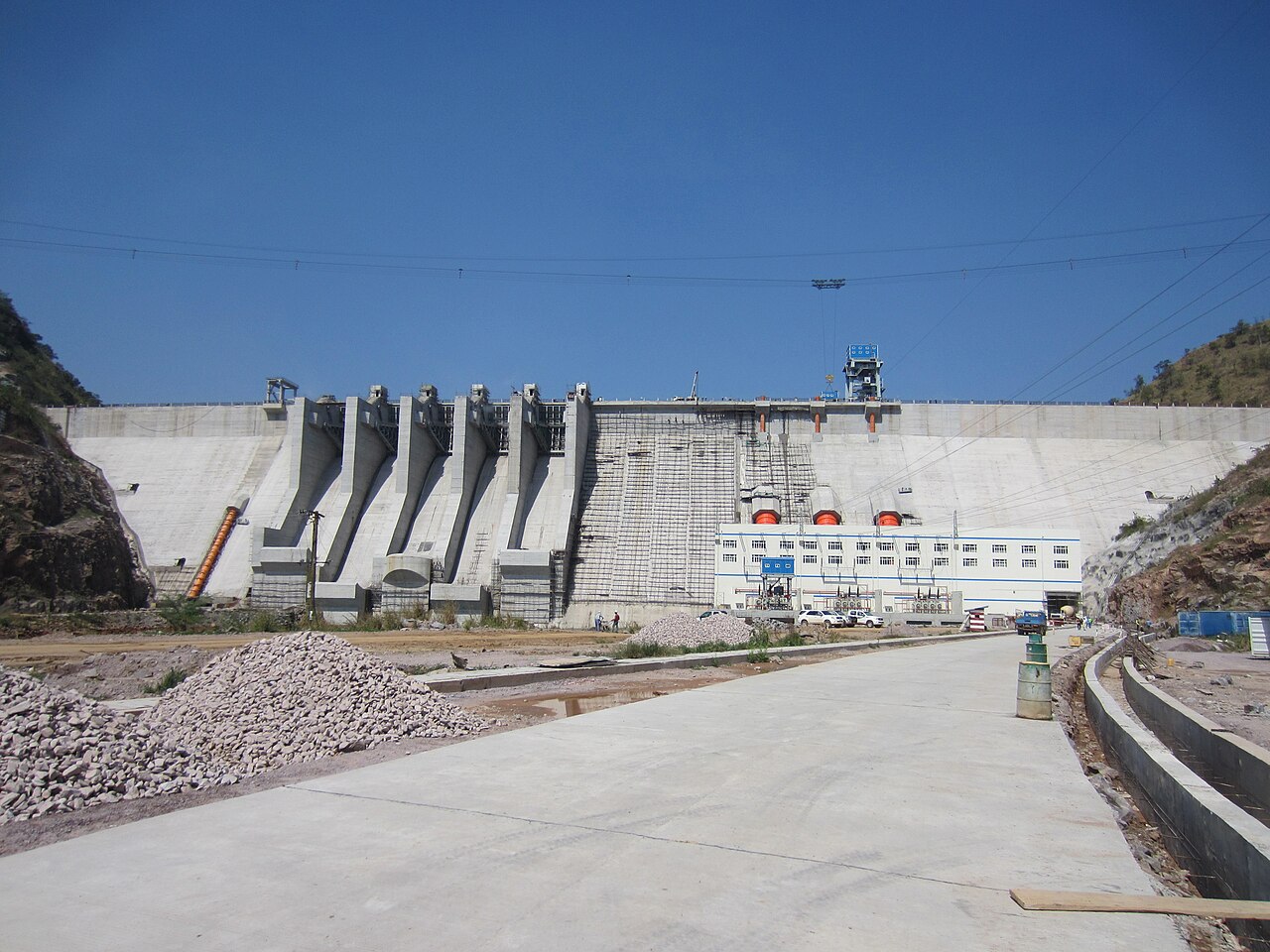
VRA 2025 Financial Performance and Debt Challenges
The Volta River Authority (VRA) has recorded a robust financial performance for the 2025 fiscal year, pulling in an impressive GH¢8.9 billion in revenue. However, this financial milestone has been heavily overshadowed by severe systemic challenges. According to recent reports, mounting inter-utility debts and persistent payment delays are severely threatening the operational liquidity and long-term sustainability of Ghana’s premier power generation entity.
Despite strong revenue inflows, the accumulation of unpaid bills across the energy value chain continues to exert immense pressure on the VRA’s balance sheet. Industry stakeholders have repeatedly warned that unless these financial bottlenecks are systematically resolved, the stability of the national grid could face unprecedented risks, impacting both industrial operations and domestic power consumers across the country.
Inter-Utility Debt and Liquidity Pressures on the VRA
At the core of the VRA’s liquidity crisis is the complex web of indebtedness linking state power distributors, independent power producers (IPPs), and bulk consumers. When distribution companies and state agencies fail to settle their power bills on time, a cascading debt crisis paralyzes upstream operations.
- Strained Cash Flow: Delayed payments restrict the VRA’s ability to service external loans, finance critical capital expenditure, and procure necessary fuel stocks for thermal generation plants.
- Maintenance Backlogs: Operational liquidity is vital for routine maintenance of hydroelectric dams and thermal installations. Cash flow constraints risk delaying essential technical overhauls.
- Vulnerability to Macroeconomic Shocks: Currency fluctuations and inflation compound the burden of uncollected debts, making it increasingly difficult to project accurate operational budgets.
Pathways to Sustainable Energy Sector Reform
Addressing the recurrent liquidity challenges at the VRA requires aggressive, multi-sectoral policy interventions from the Ministry of Energy, the Ministry of Finance, and regulatory bodies like the Public Utilities Regulatory Commission (PURC). Experts argue that enforcing strict payment compliance among state and commercial off-takers is no longer optional but critical for national security.
Furthermore, ongoing discussions regarding energy sector restructuring must prioritize the clearing of legacy debts and the optimization of tariff collection mechanisms. As Ghana navigates its broader economic recovery roadmap, ensuring the financial health of strategic institutions like the VRA remains a non-negotiable prerequisite for sustainable industrial growth and nationwide electrification.