

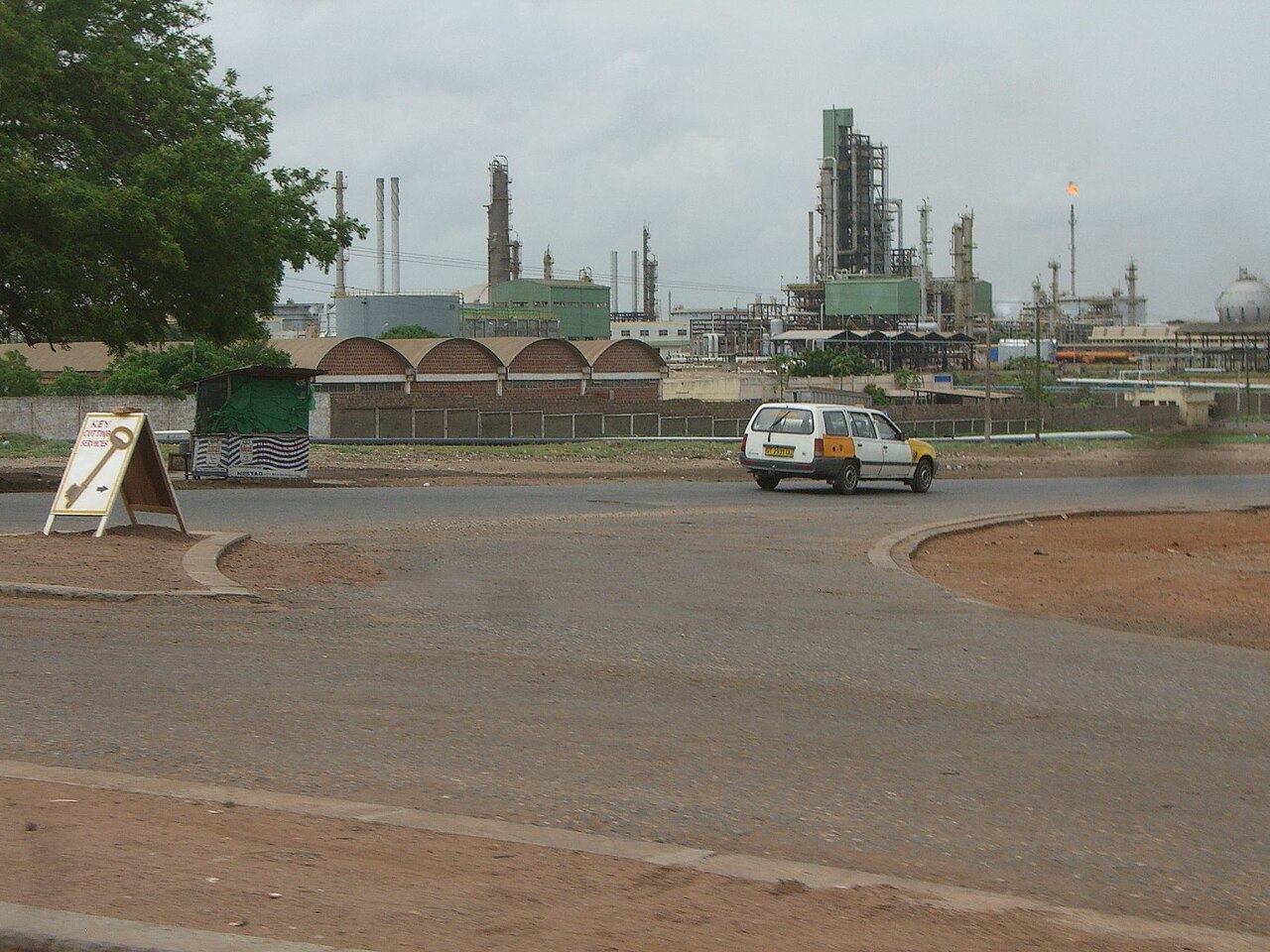
Introduction to Global and Local Pressures on Ghana Energy Prices
As consumers across the country grapple with the rising cost of living, the conversation surrounding Ghana energy prices has taken center stage. Recent global reporting highlights a complex web of international supply chain disruptions, geopolitical tensions, and macroeconomic shifts that continue to drive up energy costs worldwide. For an import-dependent emerging economy like Ghana, these global shocks translate directly to the local pump and the national power grid, affecting everything from commercial transport to household electricity bills.
The Anatomy of Rising Tariffs and Fuel Costs
To understand why Ghana energy prices remain volatile, one must examine the intersection of international crude oil benchmarks, foreign exchange rates, and domestic regulatory frameworks. While global oil markets fluctuate based on geopolitical conflicts and output decisions by major producers, the depreciation of the cedi against major trading currencies exacerbates the burden on local importers. When petroleum products and natural gas are purchased in foreign currencies, any weakening of local purchasing power immediately inflates the landed cost of fuel before it even reaches Bulk Distribution Companies (BDCs) and Oil Marketing Companies (OMCs).
Impact on Manufacturing and Small Businesses
The ripple effect of fluctuating energy tariffs extends far beyond individual vehicle owners and households. Small and medium-sized enterprises (SMEs)—the backbone of the Ghanaian economy—face squeezed profit margins as operational overheads surge. Manufacturing plants, cold storage operators, and agro-processing hubs rely heavily on stable and affordable power. When power generation costs rise, businesses are forced to either absorb the losses or pass the burden onto consumers, creating inflationary pressure across the broader market.
Government Interventions and Mitigation Strategies
In response to public outcry and economic strain, the Ghanaian government has periodically stepped in with targeted fiscal adjustments. Measures such as temporary tax suspensions, price stabilization funds, and negotiations with Independent Power Producers (IPPs) aim to cushion the citizenry from the harshest impacts of global inflation. However, experts emphasize that short-term palliatives must be balanced with long-term structural reforms to permanently stabilize Ghana energy prices.
Transitioning Toward Domestic Energy Resilience
Industry stakeholders and energy analysts increasingly advocate for aggressive diversification within the national energy mix. Expanding investments in renewable energy sources—such as solar and wind power—alongside optimizing domestic natural gas extraction, can significantly reduce the nation’s vulnerability to external market shocks. By bolstering local production capabilities and streamlining supply chains, Ghana can work toward a more predictable, sustainable, and economically resilient energy future.