

Revolutionizing Public School Nutrition and Agribusiness
In a major strategic policy shift aimed at bolstering domestic agriculture and improving child nutrition, the Ghanaian government has committed a monumental GH¢3bn school feeding budget. This substantial financial injection is designed to restructure the national school feeding program by mandating the exclusive procurement of locally grown food items for beneficiary schools across the country.
For years, agricultural stakeholders, farmer cooperatives, and civil society organizations have raised concerns over missed economic opportunities within the national feeding framework. By deliberately tying the national school feeding budget to local agricultural output, the government seeks to create a predictable, lucrative market for smallholder farmers, thereby curbing post-harvest losses and stimulating rural economies.
Empowering Local Farmers Through Guaranteed Markets
Under the revitalized framework, Metropolitan, Municipal, and District Assemblies (MMDAs) are expected to coordinate with farmer associations to ensure a seamless supply chain. The primary objective of the school feeding budget is to eliminate bureaucratic bottlenecks that previously favored imported commodities, redirecting state funds directly into the pockets of Ghanaian farmers.
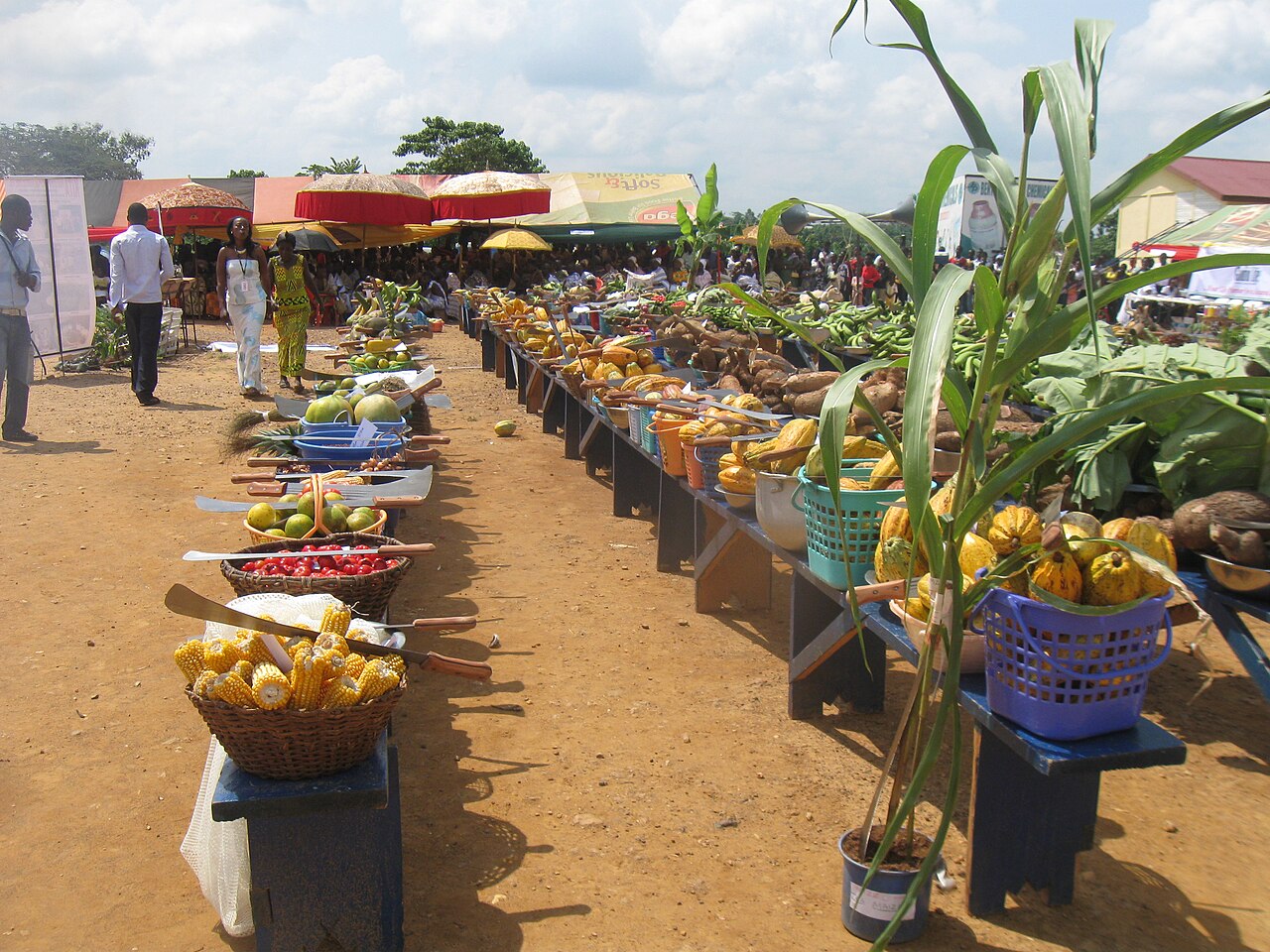
Agricultural economists note that a guaranteed institutional market is the missing link in transforming subsistence farming into commercialized agribusiness in Ghana. Staples such as maize, beans, plantain, rice, and vegetables cultivated by local farmers will now form the core nutritional base for millions of pupils in public basic schools.
Key Pillars of the Reformed Initiative:
- Direct Procurement: Sourcing food items strictly from registered local farming clusters and cooperatives.
- Value Chain Integration: Strengthening storage, processing, and transport logistics to maintain food safety and quality standards.
- Nutritional Oversight: Collaborating with the Ghana Health Service to ensure balanced diets for growing children.
Economic Implications and Sustained Growth
Beyond agricultural development, the massive infusion of capital via the school feeding budget is expected to generate thousands of indirect jobs within the transport, packaging, and catering sectors. Canteen operators and caterers will receive timely disbursements to prevent the operational disruptions that historically plagued the program.
As implementation rolls out nationwide, financial analysts and agricultural watchdogs will closely monitor the transparency of fund distribution to ensure that the intended economic benefits reach the grassroots farming communities that need them most.