

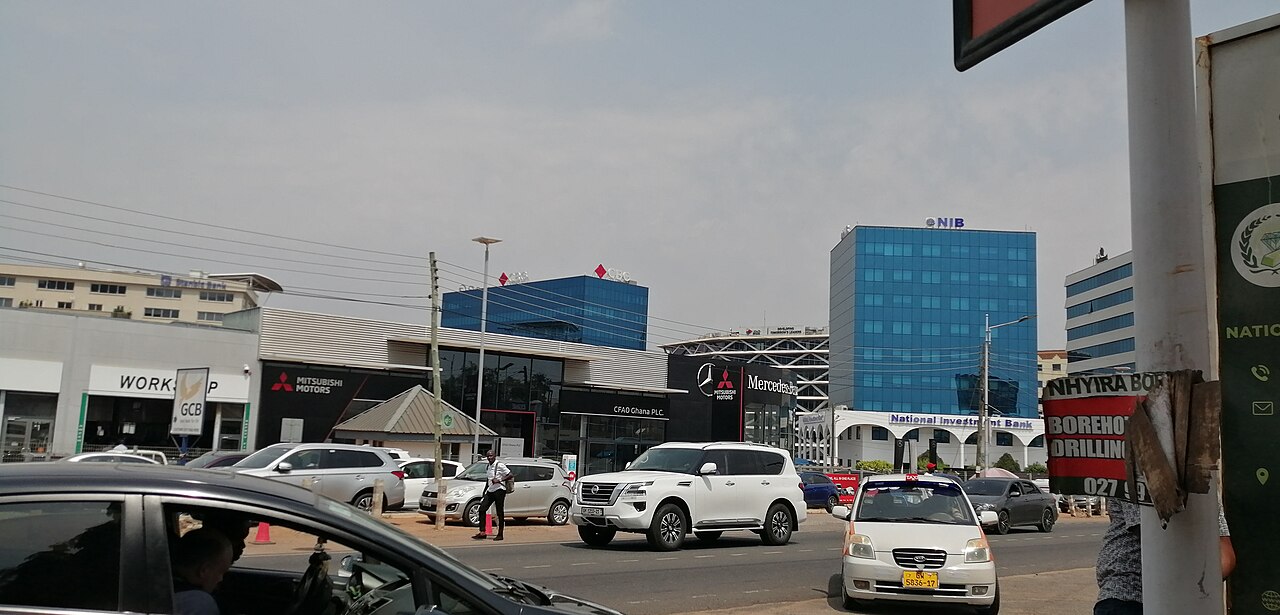
Tensions Rise in Accra Over Infrastructure Plans
The historic community of Osu in Accra is currently engulfed in deep tension as local residents, property owners, and traditional stakeholders vehemently oppose a newly proposed Osu road expansion project. The initiative, while framed by urban planners as a necessary step to decongest traffic and modernize the capital city’s transport network, has triggered widespread alarm due to its direct threat to centuries-old family compounds and cultural heritage.
For generations, the inner quarters of Osu have stood as physical manifestations of Ga history, social cohesion, and indigenous architecture. However, the alignment maps for the proposed thoroughfare cut directly through vital residential zones, putting dozens of ancestral homes on the chopping block for imminent demolition.
Community Resistance and Cultural Heritage at Stake
Speaking to local media and community gatherings, elders and youth leaders alike have made it clear that development cannot come at the absolute cost of wiping out indigenous history. Community organizers argue that municipal authorities failed to conduct adequate stakeholder consultations before drawing up the structural blueprints for the Osu road expansion.
“These are not just bricks and mortar; these are the sacred grounds where our umbilical cords are buried, where our history resides, and where our communal identity is anchored,” expressed a prominent local youth leader during an emergency town hall meeting. Residents have pointed out that alternative engineering routes exist which could easily bypass the dense historical core of Osu, thereby achieving traffic flow goals without resorting to mass clearances.
The Balancing Act of Urbanization in the Capital
Accra’s rapid urbanization presents a complex dilemma for central and local government agencies. As vehicular populations surge, municipal planners face mounting pressure to upgrade narrow colonial-era layouts into modern multi-lane arteries. Yet, critics note that top-down infrastructure projects frequently disregard the human and socio-cultural dimensions of urban renewal.
Urban planning experts monitoring the situation in Osu have emphasized that sustainable development requires a participatory approach. When major infrastructural interventions like the Osu road expansion are forced upon indigenous communities without transparent compensation frameworks or sincere dialogue, it invariably breeds deep-seated mistrust between the citizenry and the state.
The Call for Dialogue and Alternative Engineering Solutions
As pressure mounts on the Accra Metropolitan Assembly (AMA) and the Ministry of Roads and Highways, community leaders are demanding an immediate suspension of the demolition notices currently pasted on affected properties. They are calling for an independent joint committee comprising municipal engineers, heritage conservationists, and local representatives to re-evaluate the project’s design parameters.
The standoff in Osu serves as a critical litmus test for how modern Ghanaian cities balance the demands of economic progress with the preservation of cultural memory. Until a consensus is reached, residents remain vigilant, vowing to legally and physically protect the ancestral hearths that define their place in the heart of Accra.