

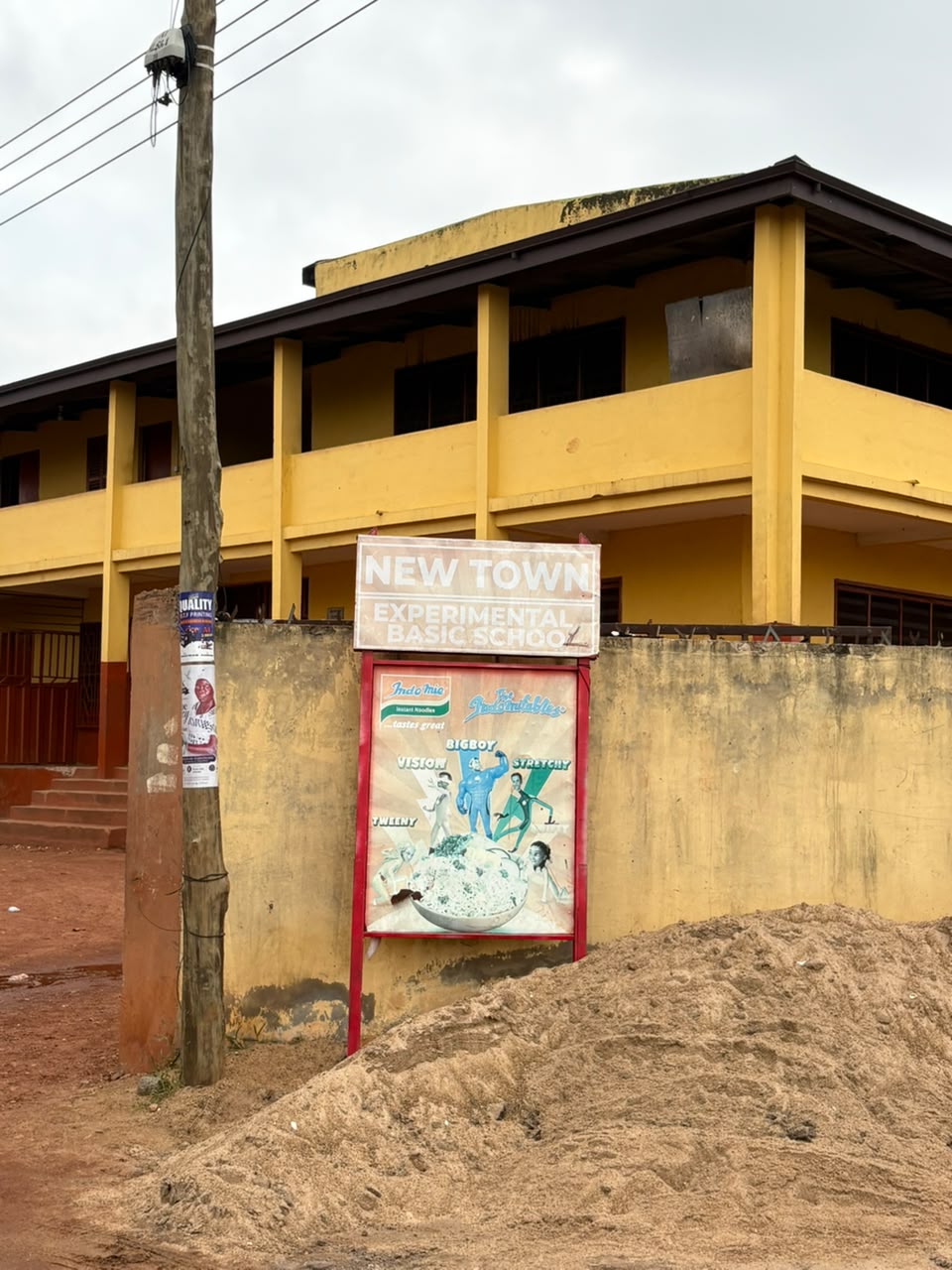
The Crisis Facing Public Basic Schools in Urban Ghana
Access to foundational education remains a fundamental human right, yet thousands of children residing in Ghana’s sprawling urban slums face severe hurdles. While national policies emphasize free and compulsory universal basic education, the reality on the ground tells a vastly different story. Public basic schools in major metropolitan centers like Accra, Kumasi, and Sekondi-Takoradi are increasingly struggling to accommodate children from economically disadvantaged backgrounds.
Despite the elimination of official tuition fees under government initiatives, hidden costs, infrastructural deficits, and systemic bottlenecks continue to lock marginalized families out of the formal education system. Educational analysts and child rights advocates are sounding the alarm over how urban poverty acts as an invisible wall keeping vulnerable youth away from classrooms.
Infrastructural Deficits and Overcrowded Classrooms
One of the primary obstacles preventing urban poor children from utilizing public basic schools is severe overpopulation and a lack of physical infrastructure. Many community schools in low-income neighborhoods operate with dilapidated structures, broken roofing, and inadequate seating. In some extreme cases, classes are held under trees or in makeshift sheds that offer little protection against Ghana’s unpredictable weather patterns.
Furthermore, teacher-to-pupil ratios in these underserved areas far exceed the standards recommended by the Ghana Education Service (GES). When a single educator is tasked with managing over eighty pupils in a cramped space, individualized attention becomes impossible. This learning environment frequently leads to high dropout rates among children whose parents cannot afford private tutoring or alternative academic support.
The Burden of Hidden Costs and Economic Pressures
Although basic education is ostensibly free, parents frequently encounter auxiliary expenses that accumulate quickly. The financial burden of purchasing required textbooks, exercise books, uniforms, sandals, and daily feeding fees often pushes education out of reach for families surviving on daily wages.
- PTA Levies: Parent-Teacher Association dues, while meant to support school development, can become mandatory financial roadblocks for destitute households.
- Learning Materials: Basic stationery costs place a heavy strain on single parents and guardians operating within the informal economic sector.
- Opportunity Cost: Many impoverished households rely on child labor or informal vending in urban markets, forcing children to choose between economic survival and attending classes.
Policy Interventions and the Path Forward
Addressing the educational exclusion of urban poor children requires targeted policy reforms from the Ministry of Education and local municipal assemblies. Civil society organizations are calling for an urgent scale-up of infrastructural investments specifically designated for marginalized urban settlements. Additionally, expanding the scope and efficiency of social intervention programs—such as the Capitation Grant and the Ghana School Feeding Programme—is vital to relieving the financial strain on vulnerable parents.
Ensuring that public basic schools function as true equalizers in Ghanaian society demands collaborative action between state regulators, traditional authorities, and community leaders. Without aggressive intervention, the cycle of urban poverty will continue to restrict the future potential of thousands of young Ghanaians.