

Addressing the National Housing Deficit
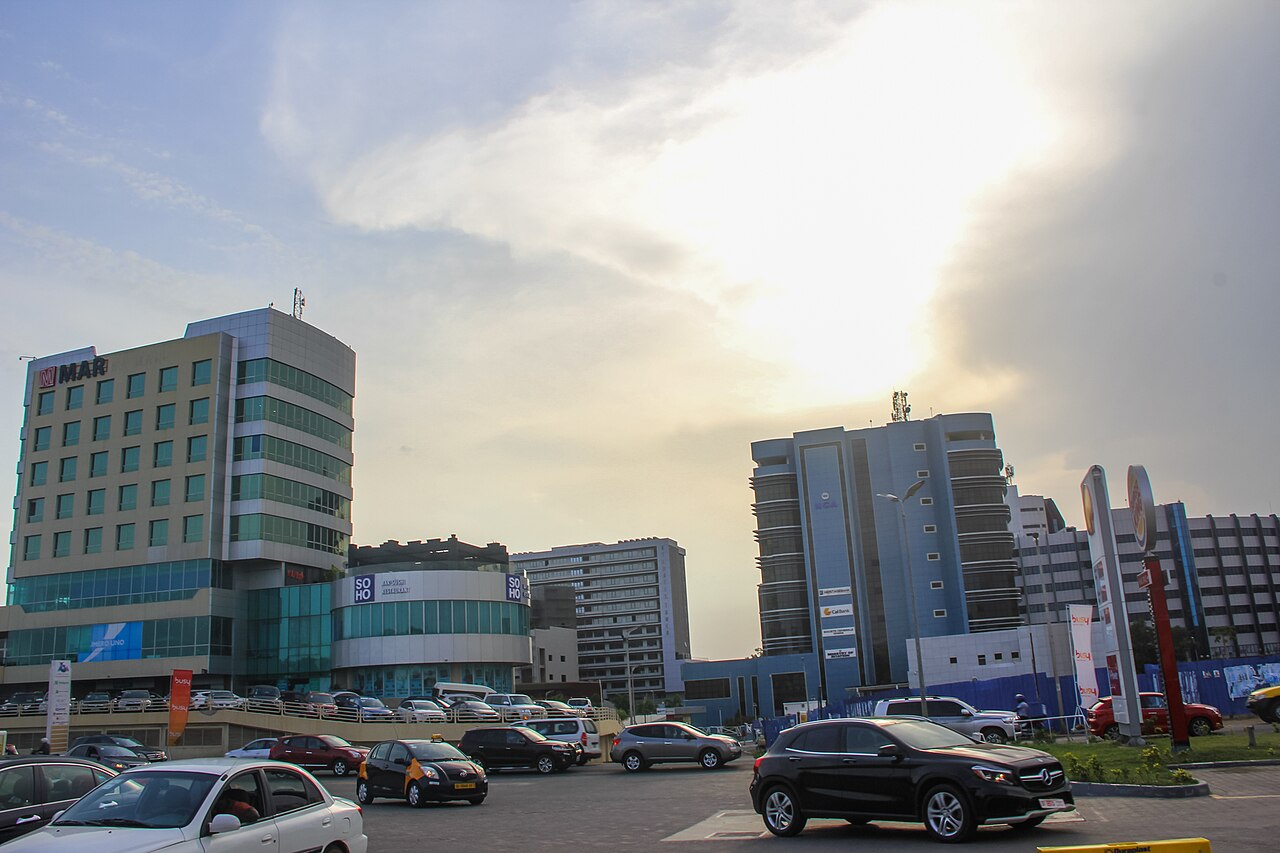
As urban centers across the globe grapple with escalating property values and rental pressures, the focus in West Africa turns sharply toward the Ghana real estate sector. Industry experts and policymakers are increasingly rallying behind sustainable solutions to bridge the country’s persistent housing deficit, ensuring that urban expansion benefits all demographics.
With major cities like Accra and Kumasi experiencing rapid urbanization, the demand for secure, quality, and moderately priced shelter has reached a critical juncture. The conversation has shifted from mere commercial luxury developments to comprehensive master-planned communities designed for middle- and low-income earners.
Public-Private Partnerships Driving Change
Addressing the housing shortfall requires a collaborative approach between the government and private developers. Recent policy dialogues emphasize the need for tax incentives and streamlined land acquisition processes to lower construction overheads. When developers are equipped with favorable regulatory frameworks, the market naturally shifts toward mass-market housing solutions.
- Land Reform: Simplifying title registrations to reduce legal disputes and project delays.
- Local Materials: Utilizing indigenous construction resources to dramatically cut import costs.
- Financing Access: Expanding mortgage availability through local banks and housing funds.
The Economic Ripple Effect of Urban Development
Investing heavily in the Ghana real estate ecosystem does more than just provide roofs over heads; it serves as a massive catalyst for economic growth. The construction value chain—spanning architects, engineers, artisans, and material suppliers—generates thousands of direct and indirect jobs across the country.
Furthermore, sustainable urban planning must incorporate reliable infrastructure, including proper road networks, water systems, and electricity grids. Without these foundational elements, new housing enclaves risk becoming isolated, reducing their long-term value and livability for everyday Ghanaian families.
Looking Ahead: The Future of Urban Living in West Africa
As the nation charts its economic trajectory for the coming years, real estate stakeholders remain optimistic. By leveraging innovative construction technologies and prioritizing green-building standards, developers can create resilient communities capable of weathering future demographic shifts. The path forward for Ghana real estate relies on execution, transparency, and a steadfast commitment to inclusive national development.